

Sustainability stands as the utmost important factor influencing investors and their stake from pure profitability to a more climate conscious and resilient business model. The willingness to invest in sustainable practices and frameworks demonstrates a business’s ability to successfully compete and manage risks within a more demanding and highly regulated politically of climate within the coming years.
Investors are motivated and more willing to invest within the frames of sustainability because sustainable transitioning of practices demonstrates a business’s ability to successfully compete and manage risks within a more demanding, regulated and politically concerned climate within the coming years.
Sustainability as a Core Investment Criterion
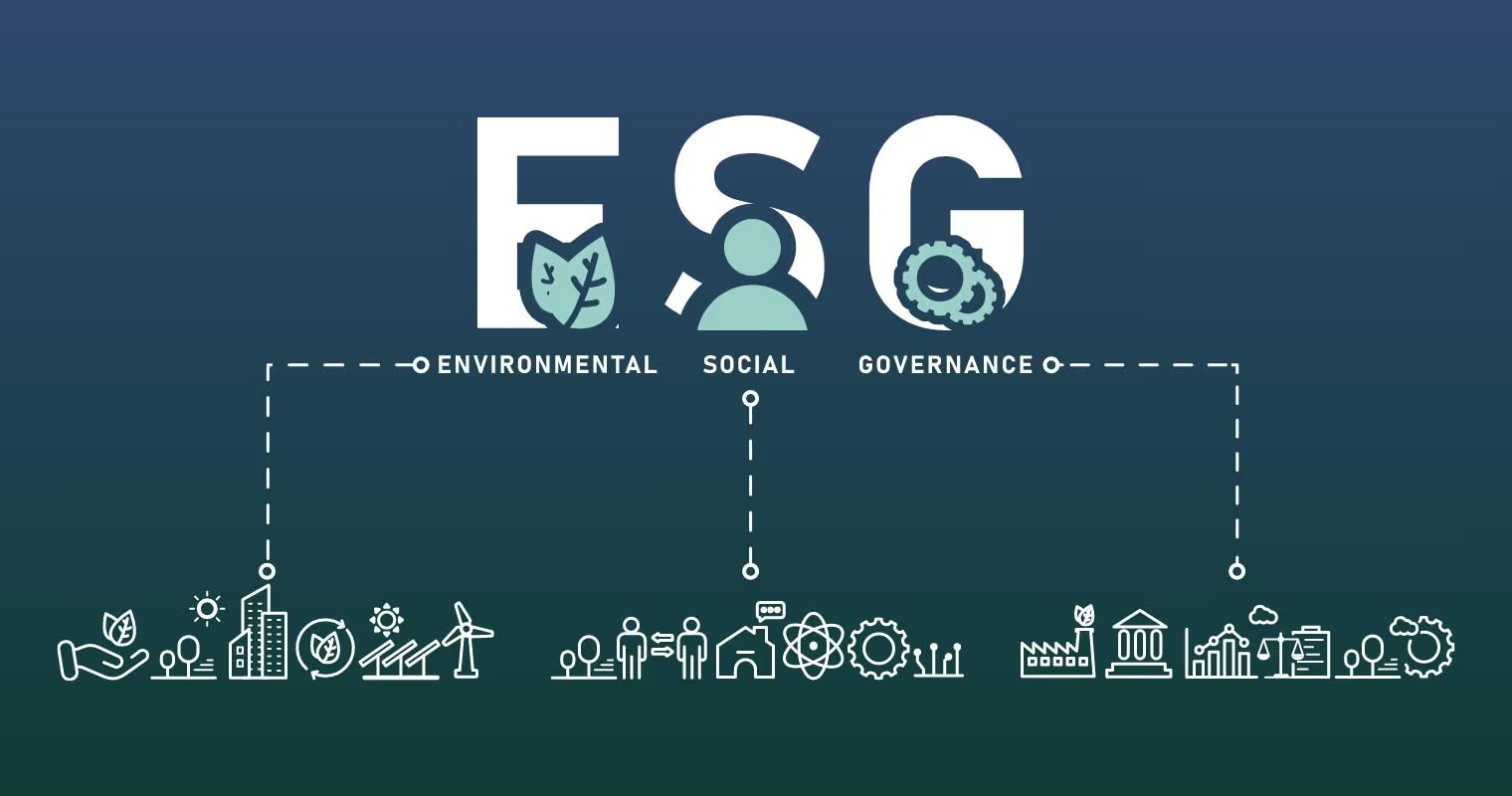
By the year 2026, sustainability will no longer be seen as an optional business initiative, but rather a mandatory strategic priority. The Governance, Risk, and Compliance (ESG) concerns of institutional investors, venture capitalists, and fund managers have become more stringent.
Businesses with defined sustainability strategies are viewed as less risky and more adaptable to regulatory changes, climate risk events, and evolving consumer behavior. Impact and sustainability reports have become the price of admission to the evolving investor marketplace.

Environmental Responsibility Drives Long-Term Value
Another factor that continues to influence investor confidence is environmental sustainability. Companies that work towards reducing carbon emissions, optimizing energy consumption, and using renewable resources are considered future-ready.
In the year 2026, investors look for companies that incorporate climate risk management into their business and financial planning. This includes the use of energy-efficient technology, waste reduction, and the adoption of circular business models. Environmental sustainability is no longer considered a cost driver but an efficiency driver.
Strong Governance Builds Investor Confidence
Investment attraction is linked to corporate governance. In the current wave of increased accountability, investors are focusing on leadership structure, risk management, and ethics. More attractive to investors are companies with independent boards of directors, transparent decision-making processes, and effective compliance processes.
In the year 2026, good governance practices can be a key differentiator for companies competing for the same pool of investments.

Social Impact and Workforce Sustainability
Social sustainability has emerged as a prominent investment trend. Companies that prioritize the well-being of their employees, as well as diversity, equity, and inclusion, are better positioned to attract sustainable investors. By the year 2026, workforce sustainability will be directly associated with productivity, innovation, and reputation.
Companies that invest in employee development, equitable employment practices, and flexible work environments are able to demonstrate their capacity to sustain a high-performing and motivated workforce. Investors are beginning to understand that human capital management is directly associated with sustainable financial performance.
Supply Chain Transparency and Ethical Practices
The world’s supply chains are being examined like never before. Investors in the year 2026 will be seeking out companies that are transparent and have traceable and responsibly sourced supply chains. Companies that proactively work to reduce risks in their supply chains, risks related to regions that are vulnerable, and have responsible sourcing practices are viewed as more resilient.
Data-Driven Sustainability Reporting
Access to reliable data is critical for sustainable investing. Investors are now demanding standardized and verifiable sustainability data. By 2026, companies that offer transparent sustainability data will be exceptional in the capital markets.
Innovation as a Sustainability Enabler
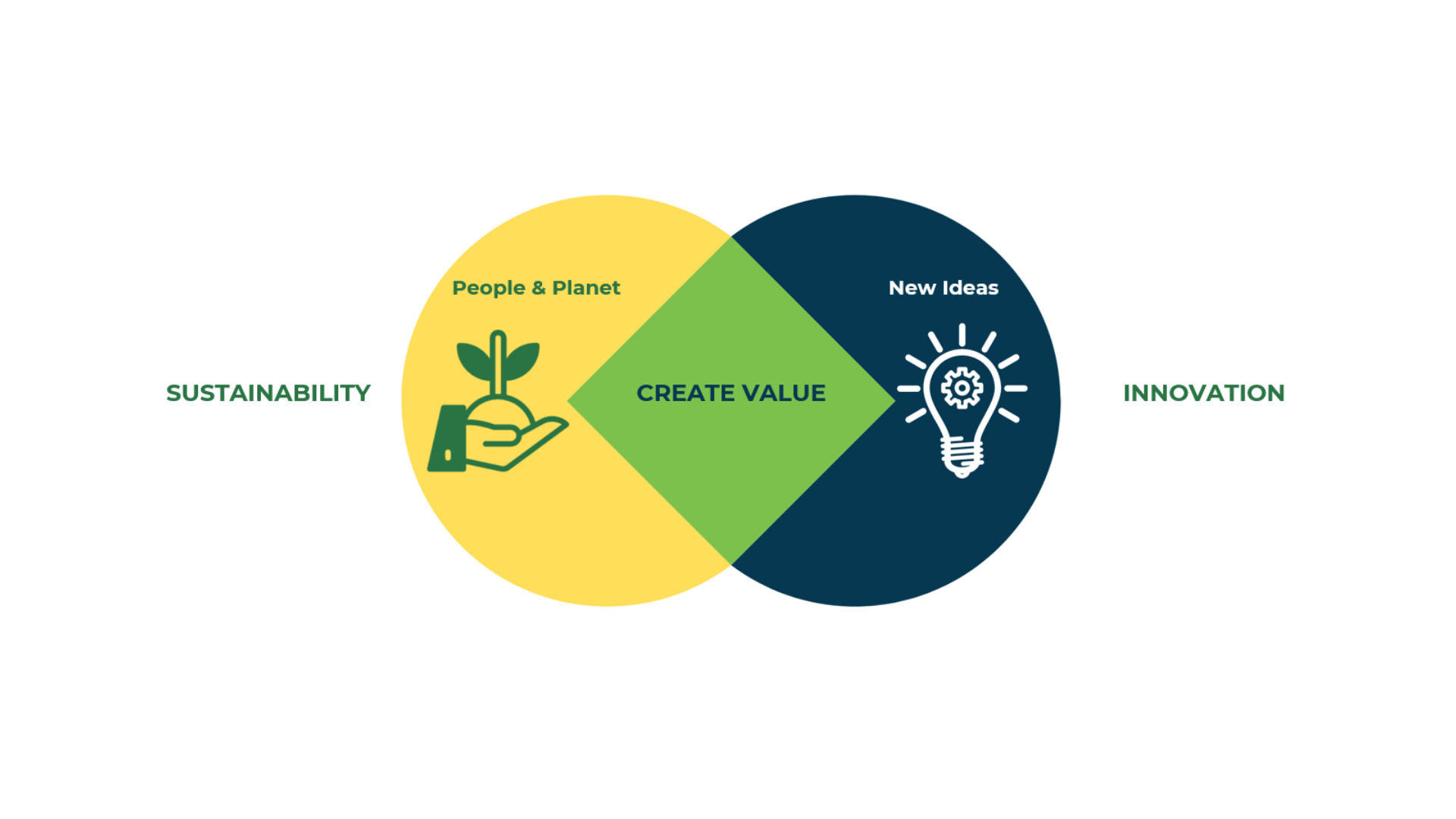
Innovation remains an important factor in sustainable business practices. Firms that focus on clean technologies, digital optimization, and sustainable product development are likely to attract growth-minded investors.
By 2026, innovation for sustainability will be viewed as a competitive edge that helps firms expand into new markets, cut costs, and differentiate themselves from rivals. Investors are likely to be attracted to firms that integrate innovation with long-term sustainability objectives.
Conclusion
Sustainable business practices are no longer an option for businesses seeking capital in 2026. Businesses that are environmentally responsible, have good governance, are socially responsible, and engage in transparent reporting are now the new norm for businesses. In a market where capital is increasingly attracted to responsibility and resilience, sustainability is no longer a moral imperative—it’s a competitive advantage that attracts capital.