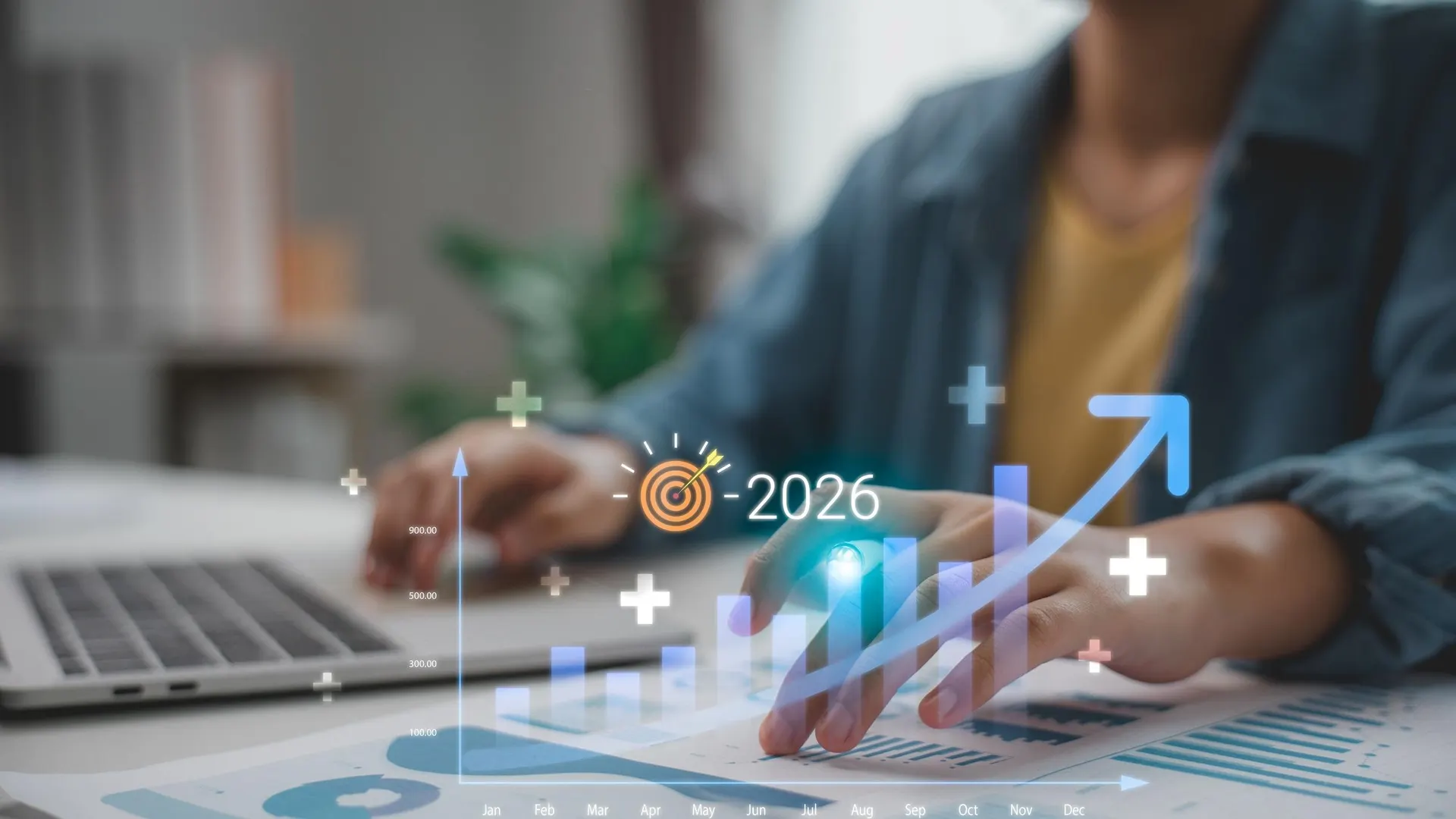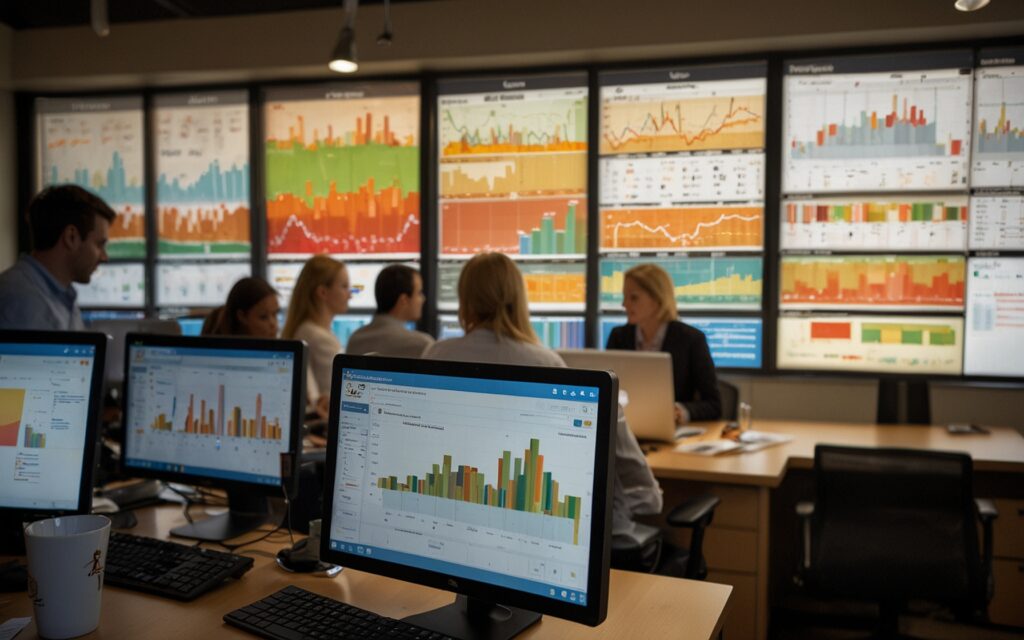

With the global economy progressing further in 2026, the environment is characterized by features such as rapid technology, economic uncertainty, and changing consumer behavior. The current economic growth is no longer driven by the traditional factor of size; rather, it is driven by flexibility, innovation, and sustainability. Understanding and meeting the most dominant global business trends in 2026 is crucial for companies to capitalize on emerging opportunities.

Artificial Intelligence as a Growth Engine
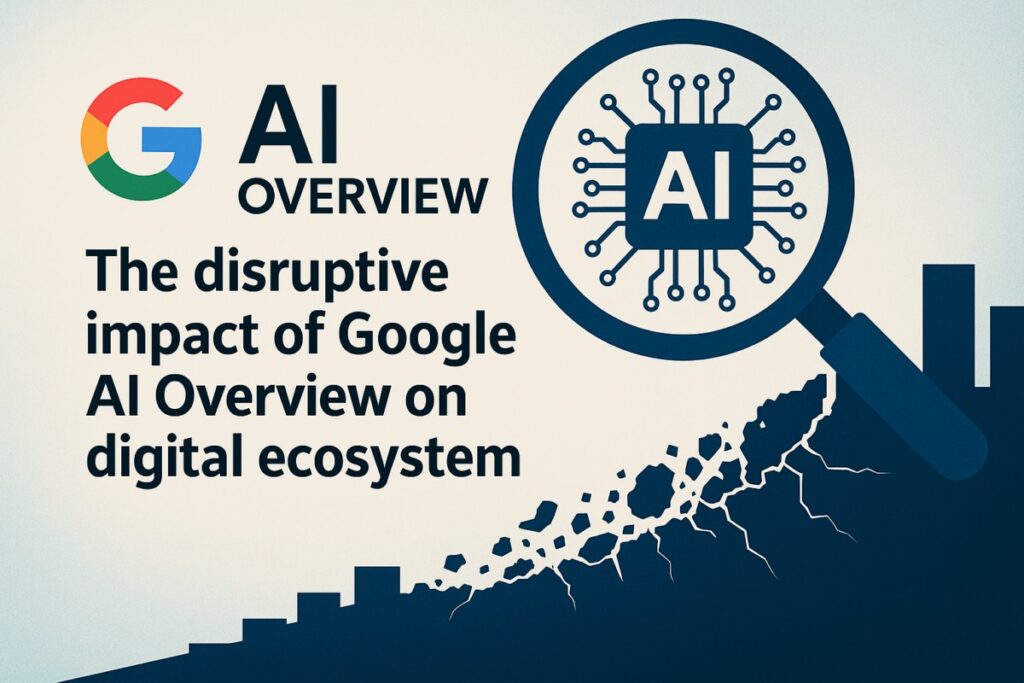
Artificial Intelligence (AI) allows businesses to operate and expand in new ways. By 2026, businesses will include AI in their strategic planning, ways to engage with customers, and in how they operate. AI is being utilized by businesses to predict future demand and make better decisions.
AI is also changing how businesses approach marketing and create content. Because of this, businesses are able to expand and cut costs at the same time. Businesses that are more focused on developing AI capabilities are growing a lot more.
Sustainability and Business Growth
The focus on implementing sustainability initiatives has shifted greatly over the last couple of years. For businesses of 2026, sustainability will be a key component of Environmental, Social, and Governance (ESG) programming, which will be incorporated into the business’ operational and strategic frameworks. Sustainability will be a key driver for both the cost-saving and the differentiation business model strategies.
Moreover, businesses that are adopting sustainability strategies will be in a stronger position for managing the regulatory risks and disruptions resulting from the climate change phenomenon.
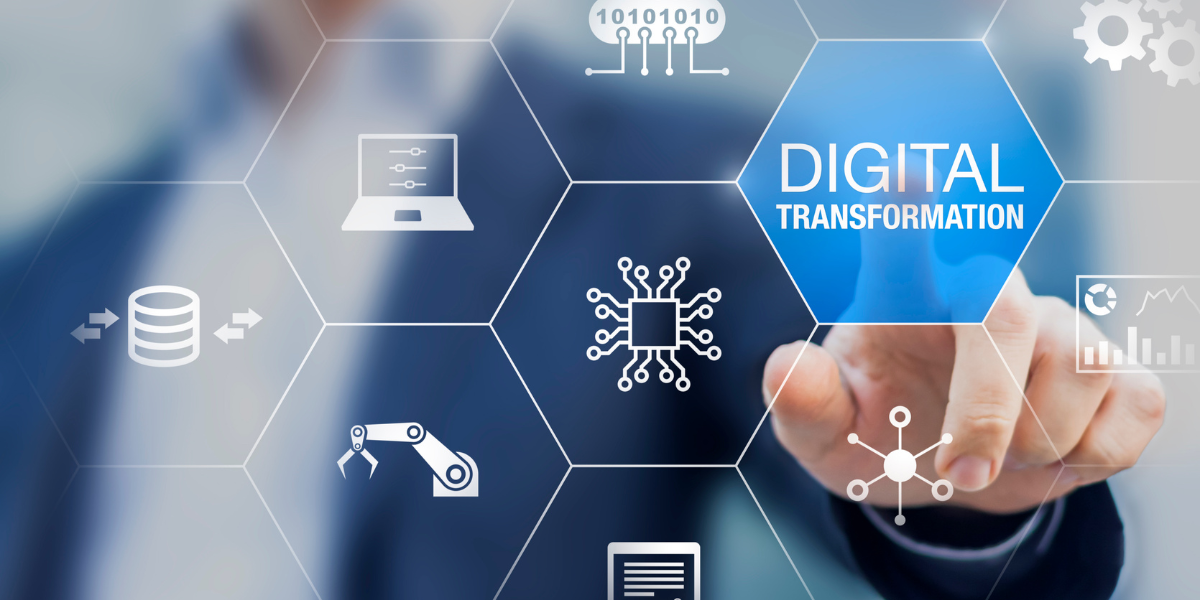
Digital Transformation for Business Growth
In the new Global Business Ecosystem, digital transformation continues to be one of the core pillars of business growth. Digital transformation for businesses of 2026 will be the enabler of business agility, and will address the digital ecosystem gaps of the businesses.
Automated processes and digital business tools will be an integral component of the business ecosystem. Businesses will be data driven and will harness real time data for operational efficiency and resilience.
Evolving Consumer Behavior, Experience-Centric Growth, and the Importance of the Customer Experience Journey
The forecast for the consumer landscape in 2026 suggests that the market will be better connected and more informed. The consumer purchasing decision has shifted due to the emerging trends of personalization, transparency, and trust. Consequently, businesses are adopting experience-centric growth models.
Experience-centric growth involves designing customer-centric experiences across all channels and digital touchpoints. Increased consumer experience focus translates to deeper brand loyalty and accelerated growth for businesses.

Workforce Transformation and Talent Development
The global workforce is in a state of transformation, and remote or hybrid work arrangements are likely to persist in 2026, in addition to a continued need for digital and analytical skills in the workforce.
Business growth in 2026 is heavily dependent on talent development, and companies are focusing on workforce upskilling, reskilling, and employee well-being to sustain productivity and innovation in the future. Organizations are creating a culture of remote or hybrid work, enabling them to attract and retain the best talent in a competitive environment.
Supply Chain Resilience as a Growth Driver in a Volatile Global Environment
Supply chain resilience has become a growth driver for businesses in a volatile global environment. Businesses have been able to cope with the challenges of the volatile global environment, which has been affected by geopolitics, trade, and weather events, by diversifying the supply chain and regionalizing the supply chain.
Supply chain technology has been used to attain supply chain efficiency, and businesses have been able to maintain their focus on value creation for customers in 2026, thereby enabling them to attain a competitive advantage in terms of a resilient supply chain.

Agile Strategies in an Uncertain Economic Environment
The uncertain economic environment has continued to influence business strategies in 2026. The inflation rate, interest rates, and geopolitics have made it imperative for businesses to develop strategies to cope with the challenges of the uncertain economic environment.
Conclusion
The current global business trends driving growth in 2026 indicate a clear shift in the global business environment, favoring innovation, sustainability, and adaptability. Artificial intelligence, digital transformation, workforce evolution, and supply chain resilience are now critical growth drivers, and businesses can’t afford to ignore them any longer.