

The year 2026 will continue the global economic downturn. Business will continue to be challenged with fast evolving technology, changing consumer habits, and the bottomline. Losing the ability to set the future pace will result in loss of compititvness, but preparing will set the path for compititve future. For the best future compitition, clear preparation and planning will be needed to allow for the global economic ticks in business’s favor. For long standing resilience and success, business leaders must understand the global challenges for 2026.
AI is a Business Necessity
The future of business can be seen as a future that involves the fully developed and matured concepts of AI. AI is at the very center of the business operations of 2026. Customer service, marketing, decision making and services such as supply chain will have AI as the deciding factor for the success of these business processes. The long term success and competitve nature of a business will hinge on the ability of a business to develop a solid and comprehensive process to seamlessly interface with AI, the operation will be highly automated, and fully dependent on predictive analytics, generative AI, and automated cost services. AI will also be fully integrated. Cost effective services will be fully automated. The interface of a business to an employee will be smart and highly sophisticated, business will need to ensure that the employee workforce is prepared to interface with the advanced systems.
Digital Transformation Continues to Impact All Industries
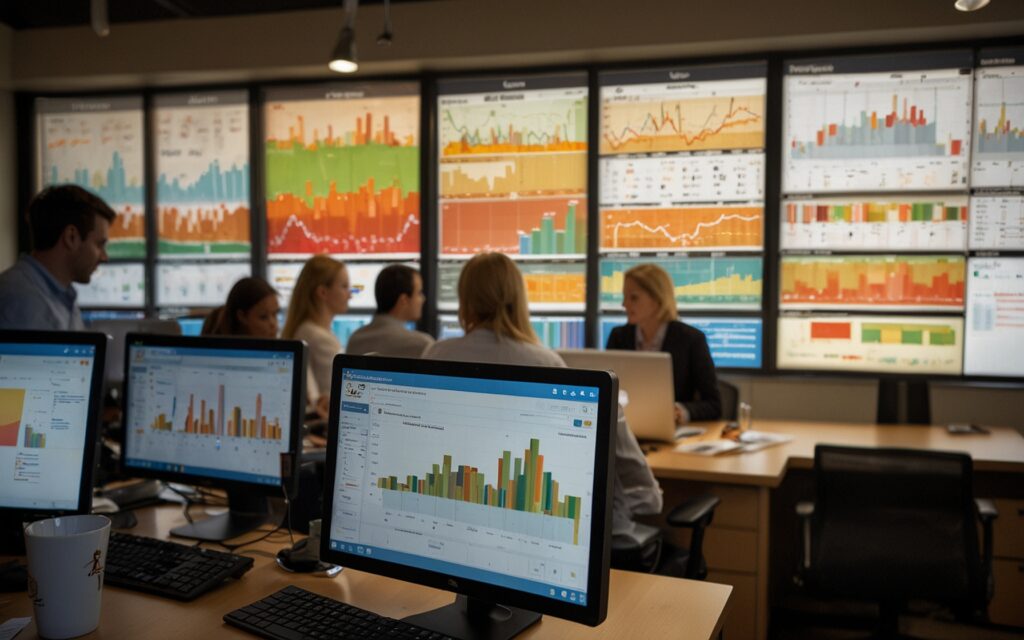
Digital transformation has impacted all industries including manufacturing, finance, retail, and healthcare. Cloud computing, data analytics, and cybersecurity have become critical to business infrastructure. In 2026, businesses that have not modernized their systems will face greater business risks, including disruptions, increased cyber threats, and operational inefficiencies. Organizations that wish to remain competitive must prioritize the modernization of their digital ecosystem and the implementation of data-centric approaches.
Changing Consumer Behavior Forces Businesses to Transform
In 2026, consumers are much more informed, value-driven, and digitally connected. Purchasing decisions are influenced by transparency, personalization, and brand trust. To meet these demands, businesses have implemented omnichannel approaches, transformed the customer experience, and utilized real-time demand data. Businesses that do not respond to the demands of consumers will see the loss of brand equity and market share.
Sustainability Moves from Trend to Business Requirement
Sustainability is not just a marketing gimmick anymore. It is Marketing Strategy No. 1. Sustainability has led to changes in Environmental Social Governance (ESG), affecting investors, regulations, and even customers. Transparency in supply chains and ethical practices in business are a must. By 2026, companies will be focusing on reducing their carbon footprint and other environmentally sustainable practices. Sustainability will be critical in attracting customers and investors as well as employees.
Workforce Transformation and the Future of Work
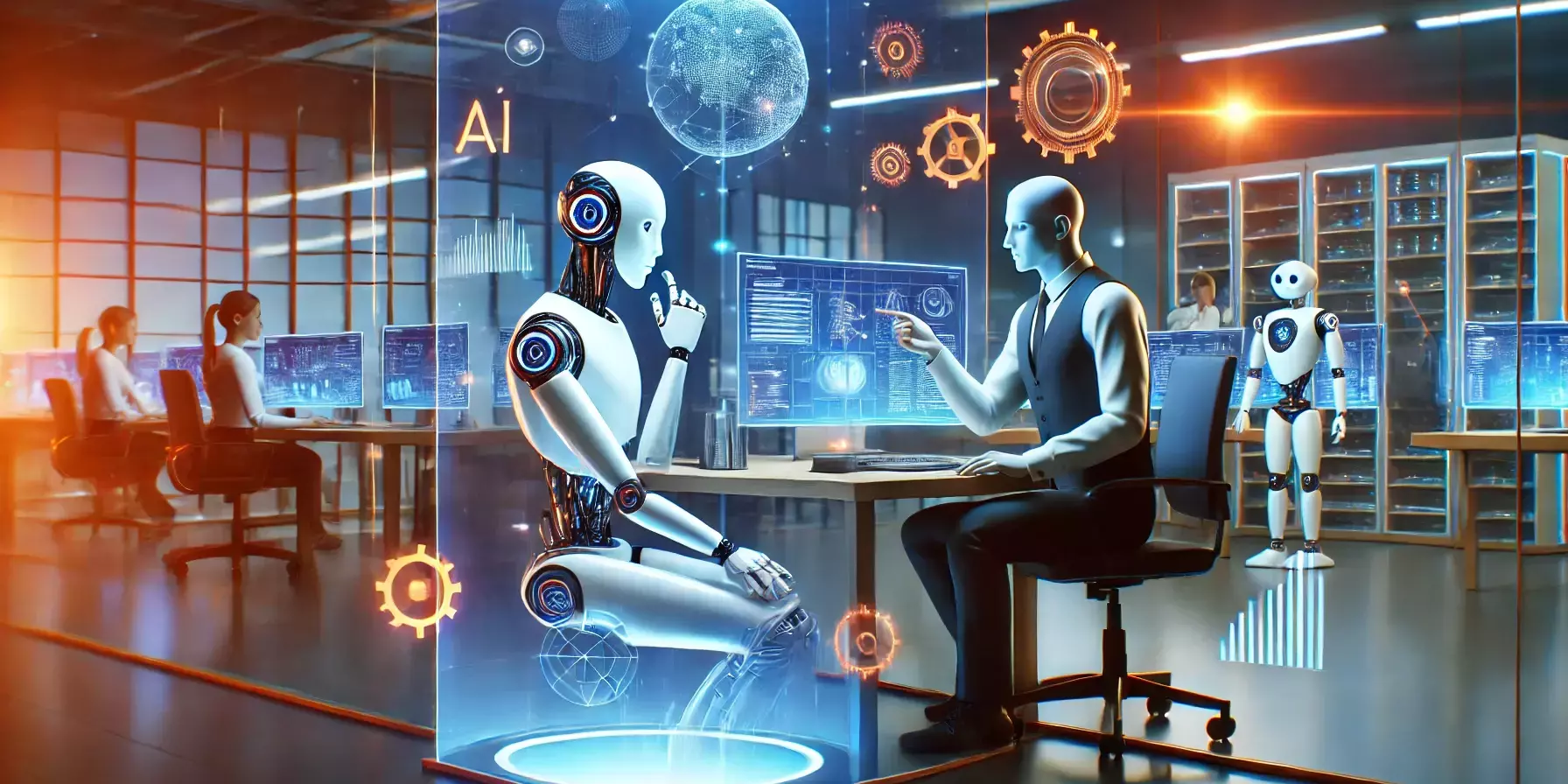
The transformation of the global workforce has finally begun. Different work structures and an in demand of new skills are all taken into consideration. To win the race of 2026, all talent and employees need to be continuously developed, and the work structures need to be flexible. The work roles are changing and so are the skills the roles require. Businesses will be the first to get the new skills and capital.
Supply Chain Resilience Becomes A Strategic Priority
The global supply chain is considerably affected by global politics, trade policies, and climate change. Consequently, organizations are diversifying their suppliers and regionalizing their production. They are also strategically investing in their supply chain technology to enhance supply chain visibility and supply chain resilience. Moving forward to 2026, effective supply chain management will become a matter of organizational strategy which will ultimately enhance profitability and customer satisfaction.

Economic Uncertainty Demands Flexible Business Approaches
Economic instability accompanies the predictions of global growth, however, growth is inevitable. Inflation, changing interest rates, and unstable geopolitics are significant challenges for long-term planning. Preparing for uncertainty is paramount and therefore organizations are advised to design flexible business structures, implement robust risk management strategies, and adopt sound financial controls. In an unpredictable global business setting, scenario planning and strategic flexibility are essential in relieving the pressure of uncertainty.
Conclusion
2026 presents clear global business trends for which preparation is no longer optional. Firms must adopt new technologies, changing consumer behavior, sustainability, and workforce retraining as verticals for investment. Meeting the trends allows firms to balance risk and growth, deferring business and economic complexity. In business, success favors the prepared.