

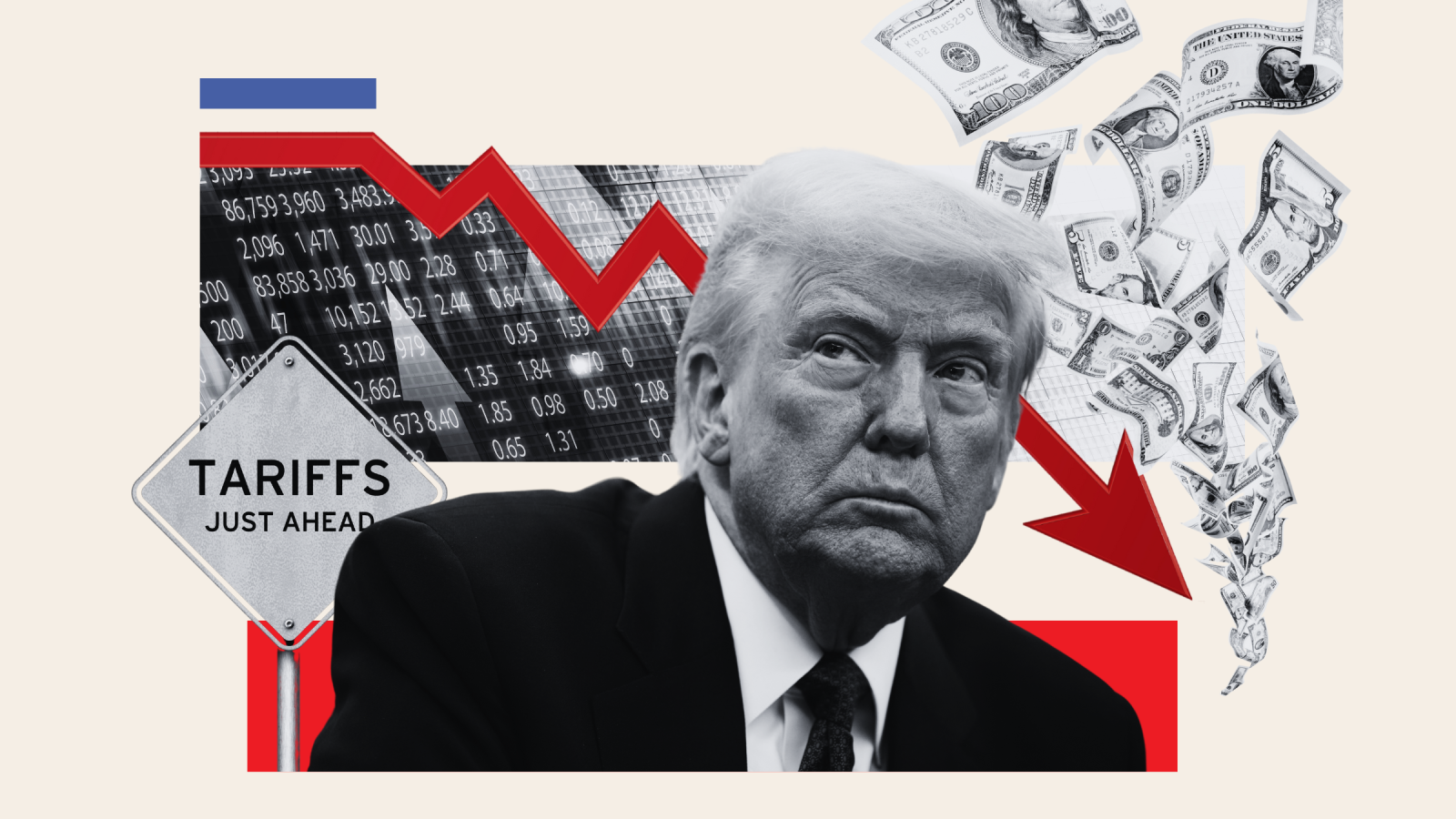
As the tensions in international trade burn hot again, new American tariffs taking effect on August 1, 2025, promise to reshape the business environment for mid-sized American firms. While policymakers frame the new tariffs as a way to encourage domestic manufacturing and subsidize tax cuts, the impact resonates far and wide—especially for firms with between $10 million and $1 billion in yearly revenue.
Statistics project that mid-sized businesses could spend over $80 billion more, an astronomical figure that attests to the vastness of the complexity.
Why August 1 Matters
August 1, 2025, marks the end of a temporary freeze on tariffs and the beginning of a new import tariff phase. It is particularly significant as companies will have only 90 days to re-negotiate logistics and sourcing. If no trade deals are agreed upon by then, tariffs will be applied far and wide across sectors.
Newly introduced tariff rates include 25% on imports from Japan and South Korea and up to 40% on imports from 12 other nations. These measures will pressure trading partners but also immediately burden import-dependent U.S. businesses.
Immediate Business Consequences
Mid-sized businesses—especially manufacturers, retailers, and wholesalers—experience an abrupt increase in input costs. These increased costs may mean:
- Passing on costs to consumers, which may spark inflation
- Reduction in hiring or laying off staff
- Reduction in profit margins or operations
Most analysts predict that the cost of tariffs will largely be passed on to final consumers. But in price-sensitive environments, some firms will be forced to absorb losses instead of passing them on in price hikes.
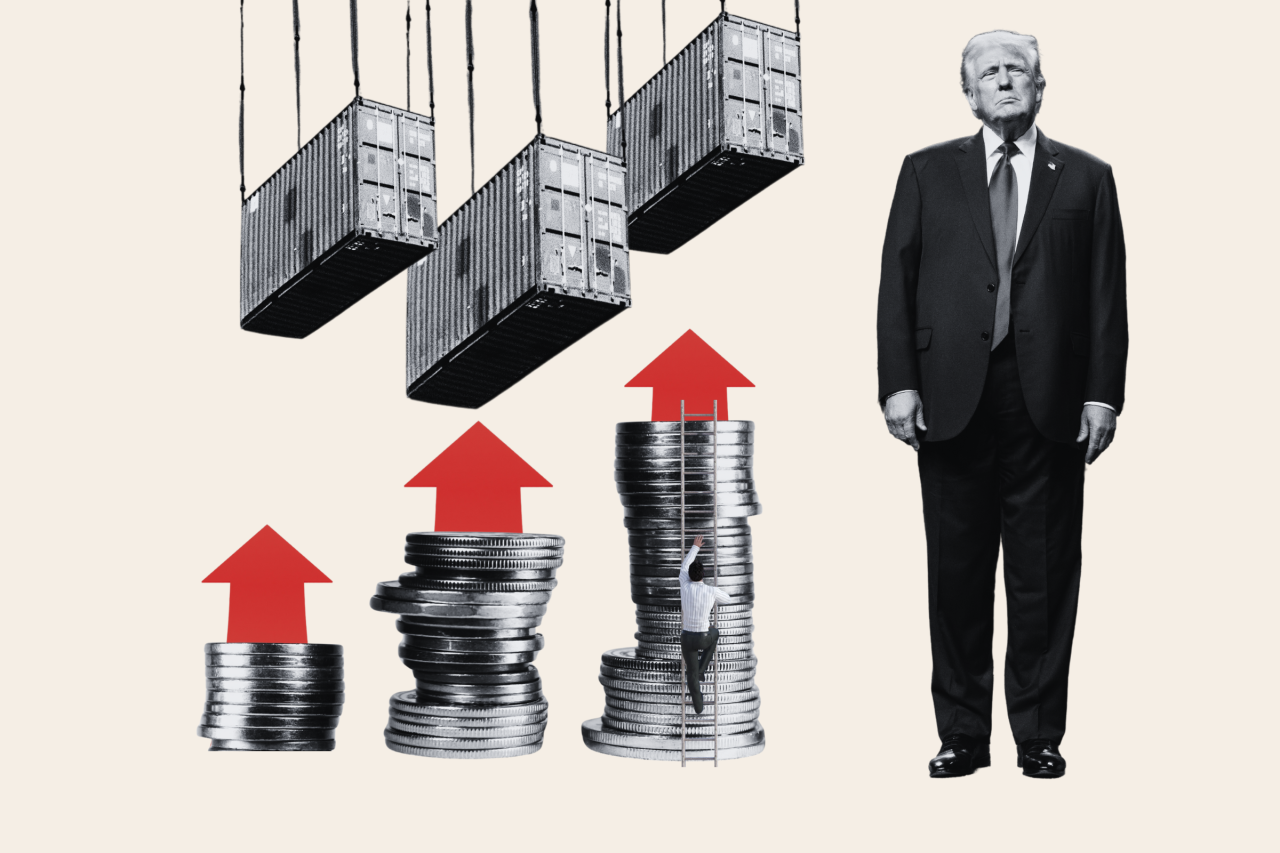
Supply Chain Disruption & Strategic Shifts
As the tariff deadline approaches, mid-sized businesses are being forced to diversify supply chains. Common reactions are:
- Shifting manufacturing to tariff-free nations
- Investing in nearshoring to reduce shipping expenses and risk
- Purchasing AI-driven supply chain analytics to model cost impact
These innovations, however, cost time and money—investment funds many mid-sized firms may not have spare.
Stock Market & Inflation Implications
The financial markets have responded erratically. While some segments have experienced growth driven by speculation and home-country investment, inflationary pressures are increasingly being questioned. The Federal Reserve, faced with rising consumer prices, may well be compelled to delay expected rate cuts.
For businesses, this contributes to the uncertainty: cost of borrowing remains elevated, consumer demand may drop, and cost of doing business continues to increase.
What Mid‑Sized Companies Can Do
To survive and react, companies have to make the following strategic adjustments:
- Conduct scenario planning for different tariff scenarios
- Adopt hedging strategies to maintain input costs constant
- Improve supply chain visibility through smart logistics software
- Review product design and procurement models to minimize tariff exposure
On top of that, companies have to remain closely connected with industry coalitions as well as policy advisors in order to remain ahead of impending regulatory choices.
Final Thoughts
Trump’s coming tariffs on goods are more than a policy shift—instead, they are a test of American business might. Mid-sized firms are at a crossroads: innovate, reorganize, and invest wisely—or get squeezed by shrinking margins and mercurial demand.
By using aggressive planning, astute technology use, and financial discipline, mid-sized firms can weather this test—and may come out the other end the stronger, more nimble and competitive for it.