

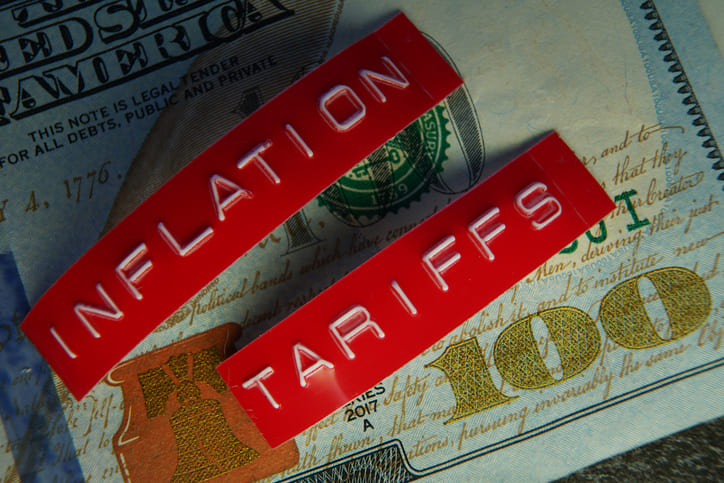
With the world becoming more connected by the day, the economic battle of wills between tariffs and inflation continues to define the way firms do business and consumers spend their money. Tariffs are commonly projected as mechanisms to shield home industries, but they also have some powerful ripple effects—most notably with regard to cost structures and price stability.
As the United States re-shapes its trade policy in 2025—instituting new import tariffs and reconsidering long-term trade arrangements already in place—the question remains: How do these policies affect inflation, and how can businesses adapt?
Learning the Essentials: What are Tariffs?
Tariffs are a government-imposed tax on imported goods. Tariffs are frequently used to:
- Protect domestic industry from foreign competition
- Bring in revenue for the government
- Influence geopolitical or economic power
But even if motivation for tariffs is industrial competitiveness or national security, their actual impacts are most directly and immediately felt by companies and consumers as higher prices.
The Tariff-Inflation Connection: What the Data Shows
Historically, tariff increases, and in many cases, tariff increases on essential products like electronics, machinery, and consumer goods, have had a multiplier effect on prices. When businesses pay more for imported inputs, they tend to pass them down the value chain. Therefore, consumers end up paying more, and that adds up to inflation.
Take, for example, the recent U.S. policy shift of placing 25% to 40% tariffs on Chinese, Mexican, and South Korean imports. While intended to spur domestic production, they have led to:
- Rising cost of inputs for local manufacturers
- Disrupted supply chains
- Slowed shipment and restocking
- Reduced consumer purchasing power
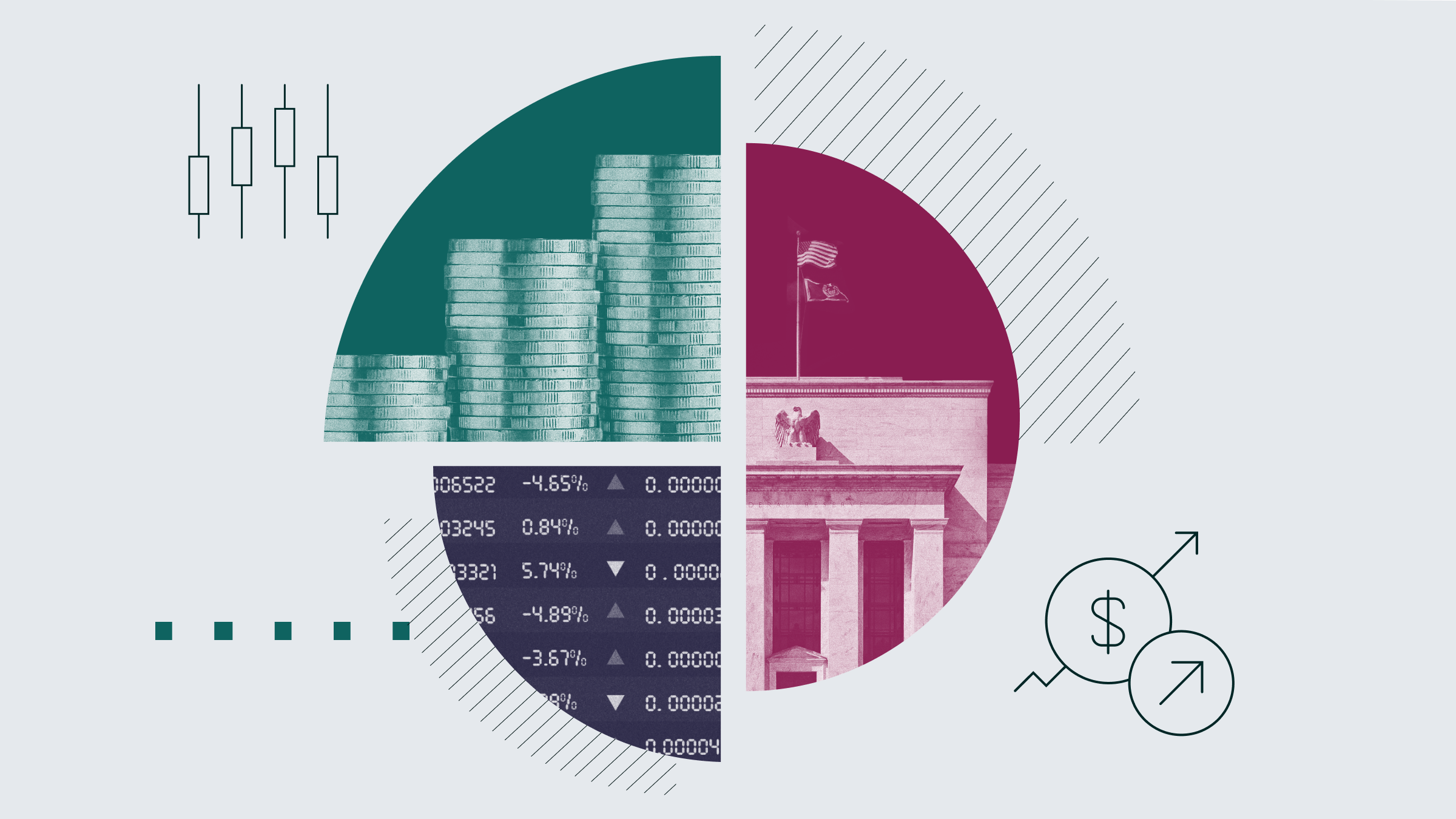
Furthermore, central banks such as the Federal Reserve can be forced to postpone interest rate cuts, further making it harder to manage inflation.
Effect on Cost Structures: Cutting It Down
The effect of tariffs on the cost structure of a firm is both immediate and long term. Let us look at some of its aspects:
1. Increasing Production Costs
Higher import tariffs on raw material or components right away raises the cost of goods sold (COGS). This forces the manufacturer to absorb the cost or pass it on through higher prices—neither of which is favorable in a competitive market.
2. Deflecting Supply Chains
Many companies are currently experimenting with nearshoring or expanding their supplier base. While this enhances resilience, it also enhances short-term costs by way of retooling, renegotiation, and logistics changes.
3. More Slow Margins and Price Flexibility
With increased cost, companies can experience eroding profit margins. Also, in price-sensitive sectors like retail and consumer electronics, companies often cannot afford to raise prices without losing market share.
4. Strategic Adjustments
Some firms are investing in optimization or automation with AI to compensate for the cost of human labor and logistics, especially when it is no longer economical to source from tariff-impacted countries.
Nimbly Navigating the Policy Environment: What Companies Need to Do
While overall trade policy remains murky, businesses can take strategic action to stay agile:
- Multi-scenario planning for different tariff scenarios
- Currency and raw material price hedging strategies
- Investment in supply chain intelligence
- Lobbying and membership in trade coalitions to shape policy
In addition, keeping customers apprised of policy-driven price fluctuations can maintain brand trust.
A Delicate Balance: Economic Nationalism and Global Pricing
Finally, the dynamic between tariffs and inflation is merely a symptom of the greater tension between economic nationalism and the forces of global pricing. As noble a goal as maintaining local industries is, however, enforcing this at the cost of domestic price stability can become a double-edged sword against policymakers.
For businesses, the answer is foresight and adaptation—recognizing that all changes in trade policies have disadvantages, but also possibilities for innovation and strategic reorientation.
As American trade policy keeps developing, companies need to stay watchful. Tariffs and inflation aren’t an abstract macroeconomic concept—the environment around us feels its strength. It’s a quantifiable force that reshapes how commodities are priced, produced, and transported.
By embracing flexibility, fact-based decision-making, and astute cost management, businesses not only survive but thrive in the face of global policy uncertainty.