
In early July 2025, Tesla’s stock fell 7. to 8. percent, driven by the dual power of Elon Musk’s polarizing political actions and fresh fears of impending U.S. tariffs. The result? Billions lost from Tesla’s market capitalization and ripple effects of concern throughout the electric vehicle (EV) segment. This is not just a market adjustment—it’s a moment of critical lessons for all EV makers navigating unpredictable geopolitical environments.
Political Controversy Riles Investor Anxiety
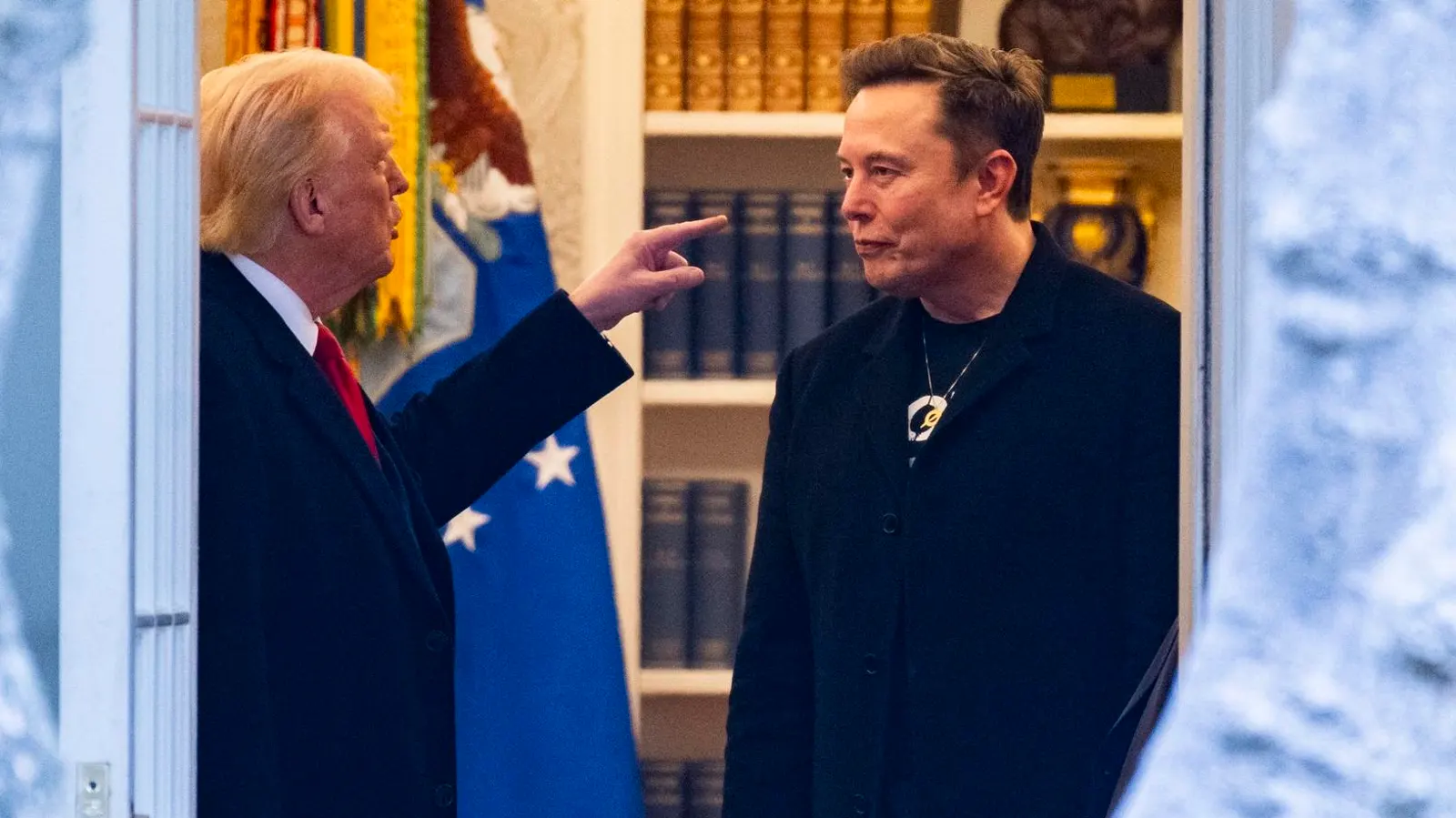
For starters, the revelation of Elon Musk’s new political party, the “America Party,” elicited a spontaneous response from investors. Tesla’s stock dropped almost right away, to the tune of huge losses in market value. Evidently, when a CEO becomes heavily involved in contentious political matters, brand reputation and stock performance will rapidly decline, even while the company itself continues to hum along just fine.
Meanwhile, during the same period, Tesla was the worst-performing large EV player stock—a testament to how mercurial political activism can be for investor sentiment.
Tariff Tensions Add Fuel to the Fire
Meanwhile, increasing nervousness about looming U.S. tariffs on imports—effective as early as August—added to market concerns. Projected increased costs of car parts to be imported from key trading partners such as Japan and South Korea have led investors to expect that there are higher production costs and margin compression in store for automakers.
Therefore, not just Tesla but also big stock indexes like the Dow, S&P 500, and Nasdaq were impacted. In the modern era of globalization, trade policy uncertainty has the capacity to send shock waves into entire industries.
What EV Companies Can Learn
This confluence of political and economic uncertainty has several strategic takeaways for EV manufacturers who want to stay agile:
1. Brand Identity Should be Separated from Personal Politics
Although executive activism will appeal to some constituencies, it will also alienate others. Progressive automakers embrace an objective, innovation-focused brand that resonates with broad, global customer bases.
2. Establish a Diversified Supply Chain
To minimize tariff-related risks, EV makers need to establish flexible procurement strategies like nearshoring and local manufacturing. This ensures operational flexibility when facing sudden trade shifts.
3. Speak Transparencely to Investors and Customers
In times of uncertainty, open communication can be the key. Restoring a company’s long-term strategy and operational strengths assists with keeping trust, even amidst short-term instability.
4. Embrace Strategic Hedging
Pricing-risk financial tools that hedge commodity- or policy-driven price volatility can protect profit margins and stabilize projections.
Deeper Ripples Across the EV Sector
Tesla’s stock drop was not alone. Also dropping were peers such as Rivian and Lucid, suggesting that investor confidence in one leading player can spur a ripple effect throughout the sector as a whole. And finally, the threat of tariffs could assist short-term locals while adding additional pressure on foreign EV players.
Therefore, the future calls for strategic foresight and adaptive response. Companies possessing the capability to model different trade and policy scenarios will be best positioned to weather the storm.
Final Thoughts: Beyond Innovation Lies Resilience
Tesla’s stunning drop in value is not only a cautionary tale—it’s a valuable case study on how politics, policy, and perception intersect in the EV space today.
Ultimately, victory is accomplished in this domain on a platform that requires more than revolutionary technology. It requires:
- Leadership that understands the strength of its words,
- Supply chains able to make nimble turns, and
- Communications that elicit trust, not doubt.
As competition accumulates and geopolitics keep on uncertainly, there’s one thing that’s sure: resilience is the new hallmark of success for the electric vehicle era.